

Origin as a presumption about the initial state which gets fueled with a series of impressions (images, texts and verbal narrations), the uncanny subset of the past that coats a splintered and non-continuous present. The evidence of origin consists of impressions and inscriptions that mediate knowledge. Evidence dominates experience. Dealing here with a “local issue” Y.G. and Y.I. make the case that amnesia is one of the most prominently alive forms of memory and that consciousness is born in the subject’s present. By detaching evidence from a ”drawer” of narrations, they make an attempt at subverting archive fetishism.
“It would be truly magnificent if a perfect harmony could emerge from the events of the year. There are always some that get stuck in your throat. You hold them inside. They hurt you. One thing that you can always do though is this: exorcism. Every situation means function. Hundreds of functions. It would be unheard off, this sum of situations to end up in something completely satisfying, or for a man to exist, however active, that could weather all these functions effectively. You can do one thing however, exorcism. Exorcism, a brave reaction a battering ram, the true poem of the prisoner. In the realm of agony and obsession, you insert such an exaltation such brilliant violence, welded on the hammering of words, that despair steadily dissipates, replaced by an ethereal demonic realm – a place of wonders!”
Henri Michaux
A note on Origin
by accelerator_mod.21
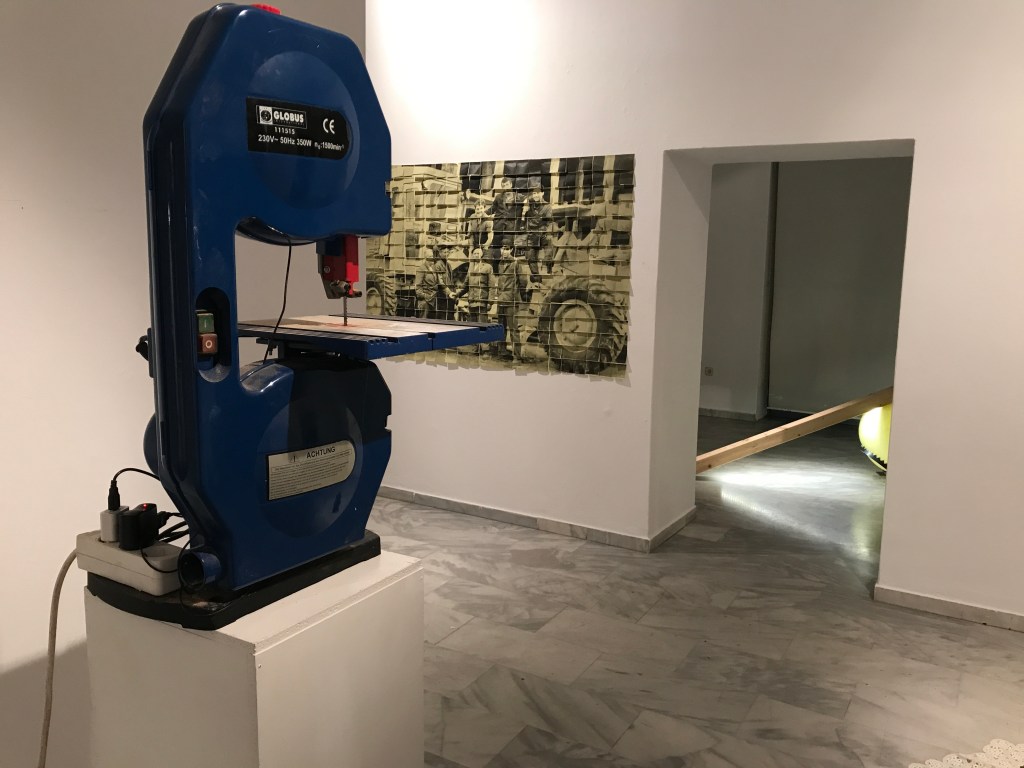
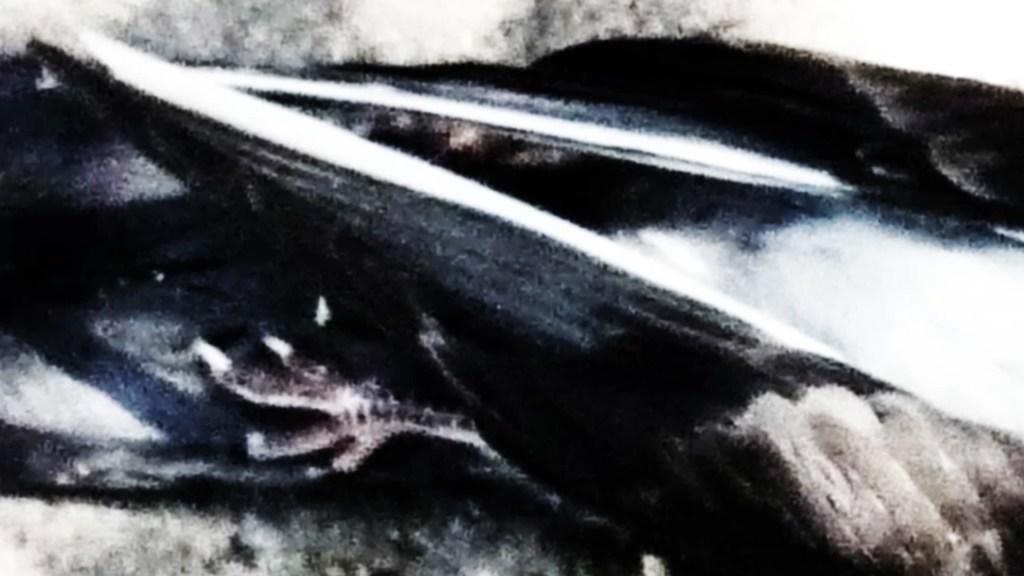
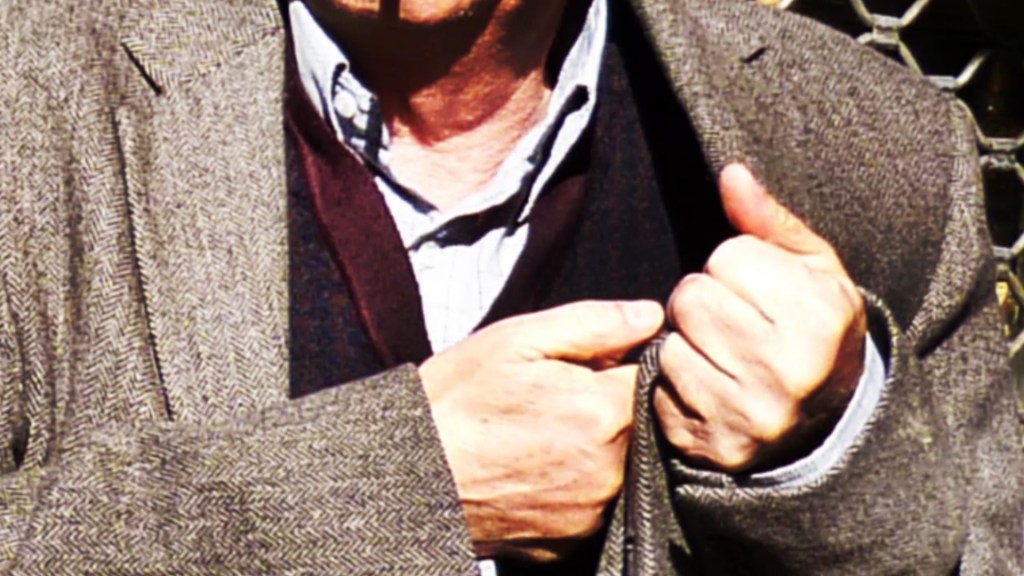
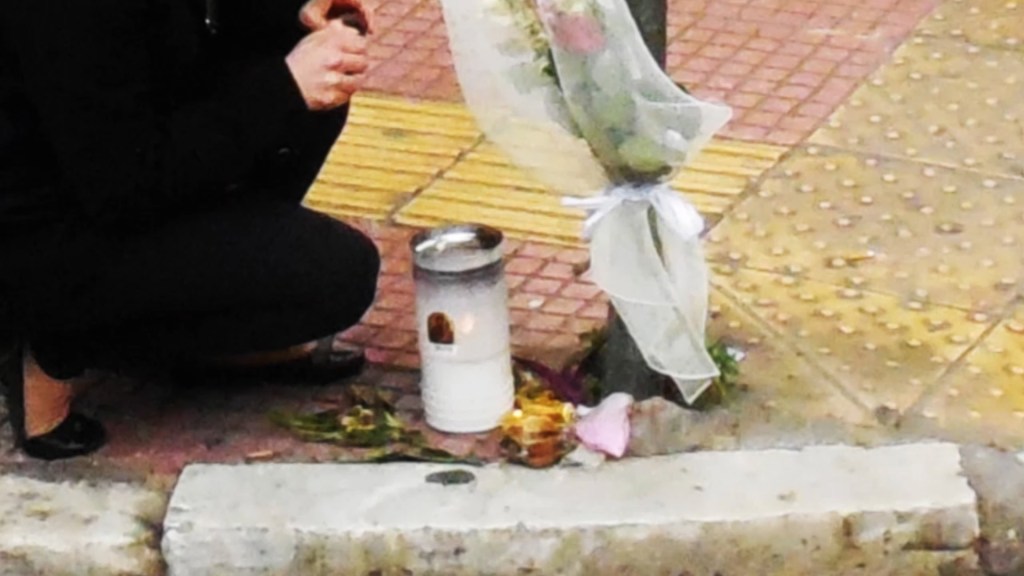
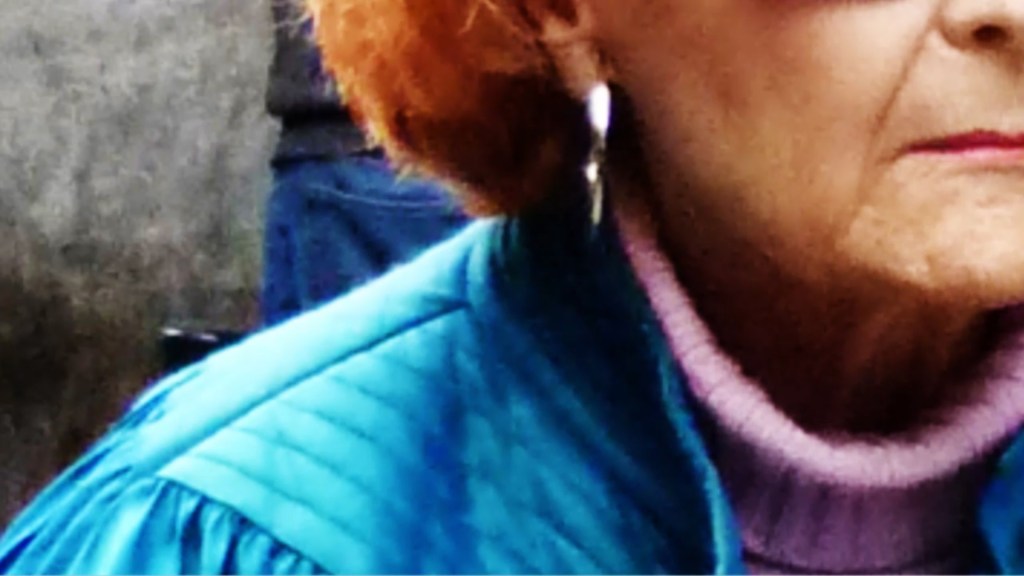
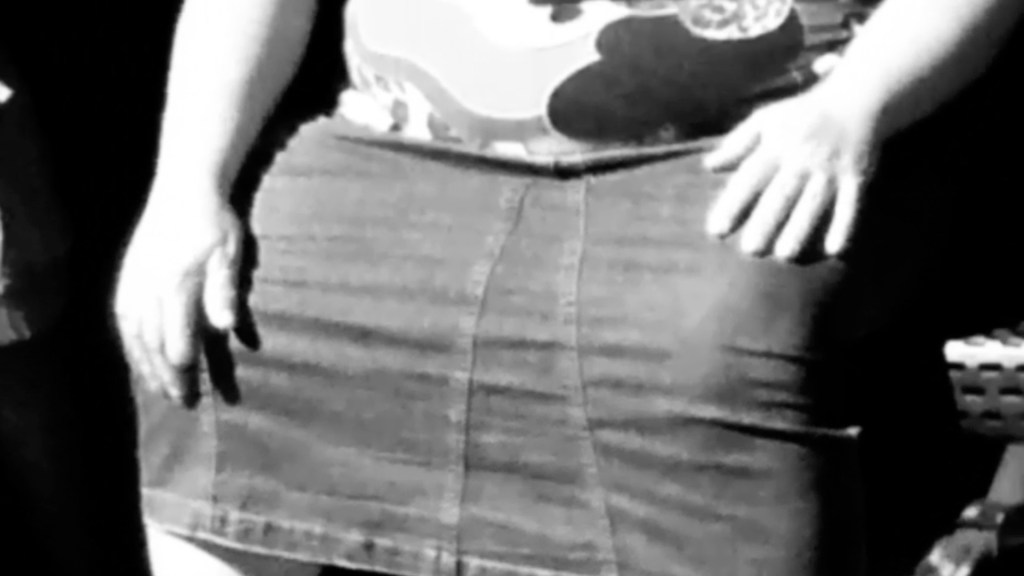
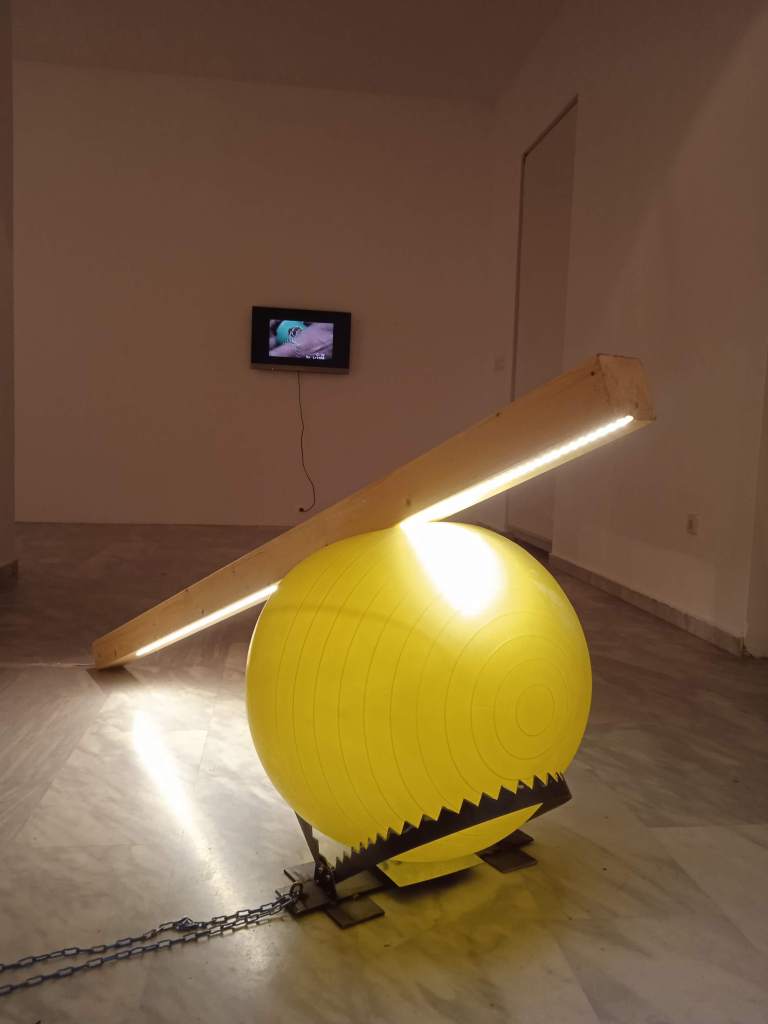
Origin explores the past not as a stable narrative but as a set of fractured impressions—testimonies, images, materials—constantly slipping out of coherence. Evidence, here, does not clarify; it unsettles. A hidden voice recording from 1976, the disassembled archive of labour photographs, the fallen monitor, the dismantled grid of post-it images: all point to a past that cannot be inherited intact.
Grigoriadis and Isidorou approach origin as a contested territory, where memory and amnesia operate together. By exposing archival material to physical stress—cutting, scattering, collapsing—they refuse both nostalgia and the fetish of documentation. The work proposes that consciousness is always born in the present, not extracted from a “drawer” of stable narrations.
What emerges is not a story but a counter-archive:
a field of fragments, interruptions and material pressures that insist on being read anew. Origin suggests that the initial state we seek is never behind us, but formed in the act of looking—precarious, provisional, and alive.
2020 Καταγωγή | Γιάννης Γρηγοριάδης & Γιάννης Ισιδώρου | 15.10 – 21.11
Η καταγωγή είναι μια εικασία για την αρχική κατάσταση, η οποία τροφοδοτείται από μία σειρά εντυπώσεων (εικόνων, κειμένων και προφορικών αφηγήσεων). Το ανοίκειο αυτό υποσύνολο του παρελθόντος επενδύεται σε ένα θραυσματικό και ασυνεχές παρόν. Τα τεκμήρια της καταγωγής αποτελούνται από εντυπώσεις και εγγραφές που διαμεσολαβούν τη γνώση. Η τεκμηρίωση επιβάλλεται στην εμπειρία.
Ασχολούμενοι έτσι οι Γ.Γ και Γ.Ι με μια “τοπική υπόθεση” υποστηρίζουν πως η αμνησία είναι μια από τις πλέον ζωντανές μορφές της μνήμης και πως η συνείδηση γεννιέται στο παρόν του υποκειμένου. Αποσπώντας από το “συρτάρι” των αφηγήσεων τα τεκμήρια, επιχειρούν μια πρακτική υπονόμευσης του φετιχισμού του αρχείου.
«Θα ήταν πραγματικά εξαιρετικό αν μια τέλεια αρμονία μπορούσε να προκύψει από τα γεγονότα που συμβαίνουν κάθε χρόνο.
Πάντα υπάρχουν μερικά που κολλάνε στο λαιμό σου. Τα κρατάς μέσα σου. Σε πονάνε.
Ένα πράγμα που μπορείς να κάνεις παρ’ όλ’ αυτά είναι το εξής: εξορκισμός.
Κάθε κατάσταση σημαίνει συνάρτηση. Εκατοντάδες συναρτήσεις.
Θα ήταν ανήκουστο αυτό το σύνολο καταστάσεων να καταλήξει σε κάτι πλήρως ικανοποιητικό ή να υπάρξει ένας άνθρωπος, οσοδήποτε ενεργητικός, που να μπορεί να αντιπαλέψει όλες αυτές τις συναρτήσεις αποτελεσματικά.
Ένα πράγμα που μπορείς να κάνεις παρ’ όλ’ αυτά: εξορκισμός. Εξορκισμός, μια σθεναρή αντίδραση,
ένας πολιορκητικός κριός, είναι το αληθινό ποίημα του φυλακισμένου.
Μέσα στον ίδιο το χώρο της οδύνης και της εμμονής, εισάγεις μια τέτοια ανάταση, τέτοια υπέροχη βία,
συγκολλημένη στο σφυροκόπημα των λέξεων, που η συμφορά διαλύεται σταδιακά,
αντικαθιστώμενη από μία αιθέρια δαιμονική επικράτεια – μια περιοχή θαυμάτων!»
Ανρί Μισώ
 yiannis isidorou